

Why Spring Cleaning Matters for Your Carpets
Spring cleaning carpets is the most effective way to remove the allergens, dust mites, mold spores, and moisture that accumulate through winter and silently degrade your indoor air quality. Most homeowners vacuum regularly and assume that covers it. It does not. The EPA identifies carpets as primary reservoirs for biological indoor pollutants including pollen, bacteria, pet dander, and viruses. A seasonal deep clean targets what vacuuming cannot reach, protects your carpet’s lifespan, and resets your home’s air quality after months of closed windows and trapped contaminants.
Why spring cleaning matters for carpets: the hidden pollutant problem
Carpets are not just flooring. They function as filters, and like any filter, they eventually reach capacity. Carpet fibers have up to 100 times more surface area than hard floors and carry electrostatic properties that actively attract fine particulates, moisture, and biological matter. That means your carpet is pulling in far more than visible dirt.
The list of what gets trapped is longer than most people expect:
- Pollen tracked in from outside, especially heavy during spring months
- Dust mites and their waste particles, which are a leading trigger for asthma and allergies
- Pet dander embedded deep in fiber clusters
- Mold spores that settle and activate when moisture is present
- Bacteria and viruses carried in on shoes or shed from occupants
Standard vacuuming removes surface debris but misses deeply embedded pollutants and can actually resuspend fine particulate matter into the air if the vacuum lacks adequate filtration. A HEPA-filtered vacuum reduces this risk, but it still cannot extract contaminants locked into the base of carpet fibers.
Pro Tip: If anyone in your household experiences unexplained allergy symptoms indoors, your carpet is the first place to investigate. Musty odors, visible discoloration near baseboards, or increased sneezing after entering a room are all signs of hidden biological buildup.
The EPA’s source control strategy for indoor air quality prioritizes eliminating pollutant reservoirs rather than simply filtering air after the fact. Your carpet is one of the largest reservoirs in your home. Spring cleaning addresses it directly.
How moisture in carpets leads to mold and why timing matters
Moisture is the variable that turns a dirty carpet into a health hazard. When carpets absorb humidity, spills, or tracked-in moisture over winter, the damp conditions deep in the fiber base create an ideal environment for mold and mildew growth. The problem is that this growth often starts invisibly, well before you notice any odor or discoloration.
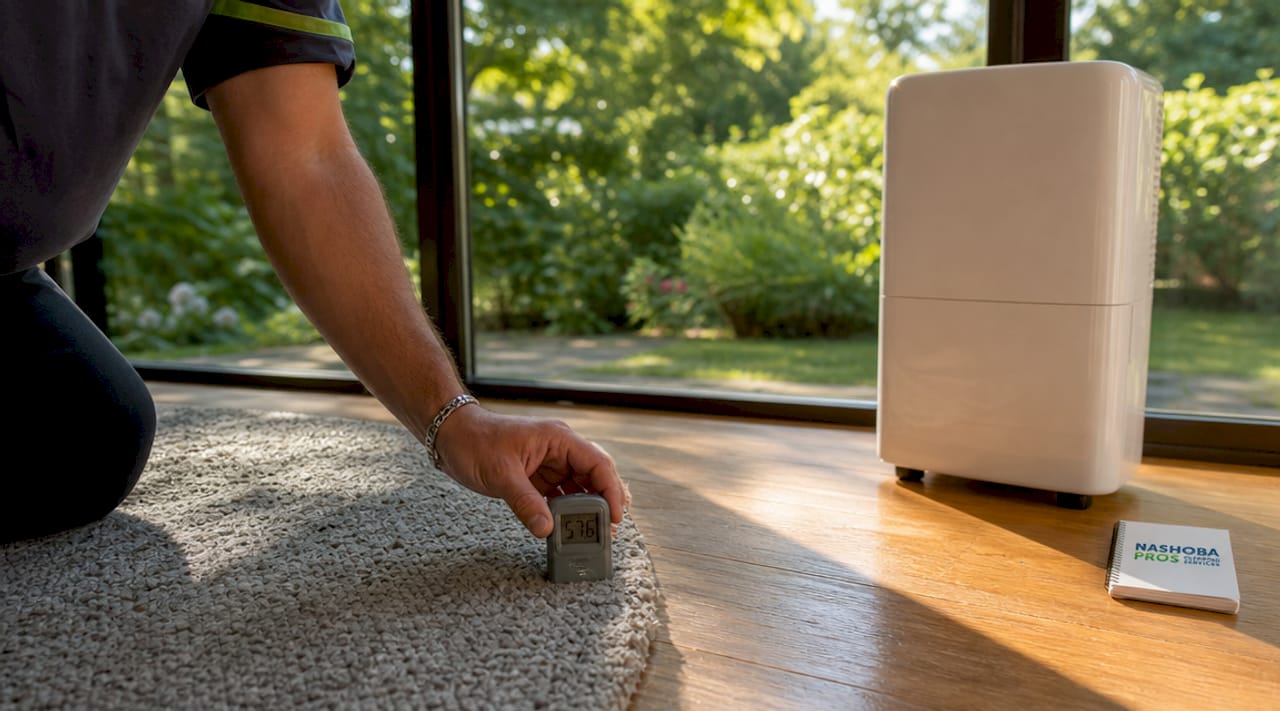
The EPA recommends drying wet materials within 24 to 48 hours and maintaining indoor humidity below 60% to prevent mold from taking hold. This guideline applies directly to carpets after any cleaning or water exposure. A carpet that stays damp for three or four days after cleaning is at genuine risk of developing mold beneath the surface, even if the top fibers feel dry.
This is why the EPA stresses that cleaning alone cannot substitute for preventing damp conditions in porous materials like carpets. The sequence matters: clean thoroughly, then manage moisture aggressively.
Hard surfaces like tile or hardwood dry quickly and do not retain moisture in the same way. Carpet padding, however, acts like a sponge. Moisture that reaches the padding can persist for days without proper airflow or dehumidification, creating conditions that no amount of surface cleaning will fix.
Pro Tip: Schedule your spring carpet cleaning on a day when you can open windows and run fans or a dehumidifier for several hours afterward. If you use a professional service, ask about their drying time and whether they use truck-mounted extraction equipment, which removes significantly more moisture than portable units.
Spring is actually the ideal season for this process. Temperatures are mild, windows can stay open, and the natural increase in airflow helps carpets dry within the safe window. Waiting until summer means higher humidity, which slows drying and increases mold risk.
Vacuuming vs. deep cleaning: what actually removes carpet contaminants
Homeowners often treat vacuuming and deep cleaning as interchangeable. They are not. They address completely different layers of contamination, and understanding the difference is one of the most practical carpet care tips for spring maintenance.
| Feature | Regular vacuuming | Professional deep cleaning |
|---|---|---|
| Surface dirt removal | Yes | Yes |
| Embedded allergen removal | No | Yes |
| Mold spore extraction | No | Yes |
| Odor elimination | Minimal | Effective |
| Moisture removal | None | High (hot water extraction) |
| Carpet fiber preservation | Partial | Full |
| Warranty compliance | No | Yes (most manufacturers) |
Hot water extraction, also called steam cleaning, is the method most carpet manufacturers and professional cleaners recommend. It effectively removes embedded dirt, allergens, and odors while also improving carpet longevity. The process injects hot water and cleaning solution deep into the fiber, then extracts it along with the loosened contaminants.
Pro Tip: Check your carpet’s manufacturer warranty before your next cleaning. Most major carpet brands, including Shaw and Mohawk, require documented professional cleaning every 12 to 18 months to keep the warranty valid. Vacuuming alone does not satisfy this requirement.
Industry standards recommend professional cleaning every 12 to 18 months to preserve both appearance and air quality. Spring is the natural anchor point for that schedule. You get the health benefits of removing winter buildup, and you reset the clock on your warranty compliance at the same time.
One underappreciated benefit: clean carpets absorb sound more effectively than dirty ones. Compacted, debris-filled fibers lose their acoustic properties. A deep-cleaned carpet reduces echo and ambient noise in ways that genuinely improve how a room feels day to day.
Practical carpet care tips for spring to protect health and longevity
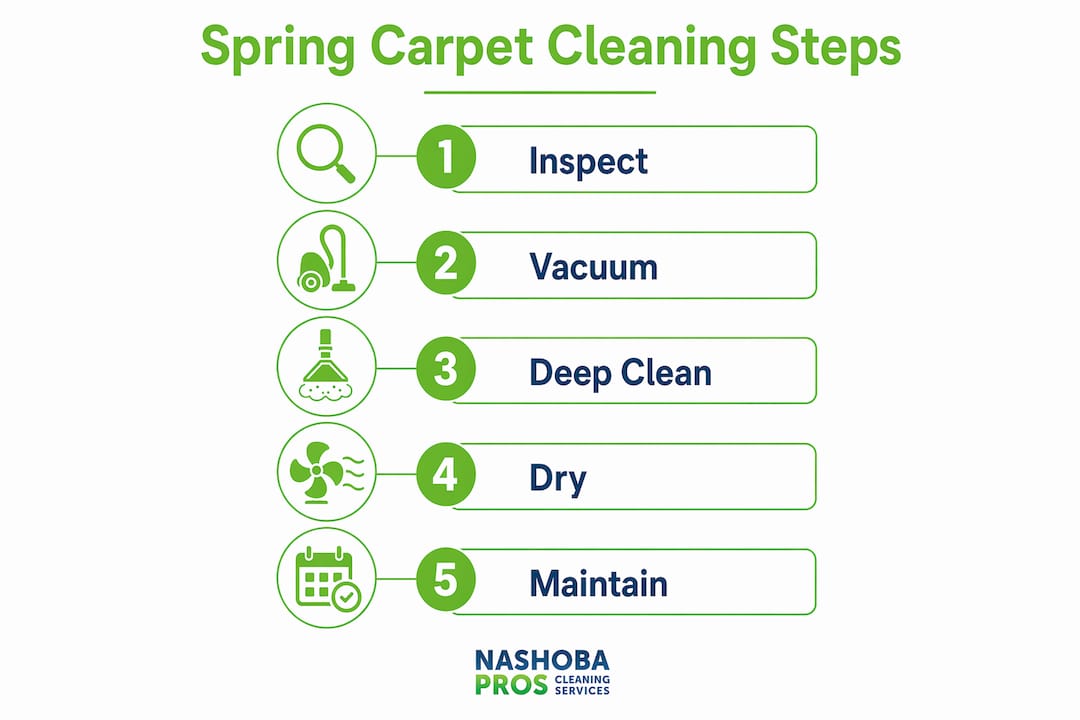
Getting the most out of seasonal carpet cleaning requires more than booking a single appointment. The following steps give you a complete approach to spring carpet care that protects both your health and your investment.
-
Schedule professional cleaning in early to mid spring. This timing captures the full winter buildup before allergy season peaks. It also gives you the best drying conditions before summer humidity arrives.
-
Vacuum thoroughly before the professional visit. Removing surface debris first allows the deep cleaning equipment to focus on embedded contaminants rather than surface dirt. Vacuum in two directions for better coverage.
-
Treat visible stains before cleaning day. Fresh treatment of stains prevents them from setting permanently. Blot, do not rub, and use a product appropriate for your carpet fiber type.
-
Manage airflow and humidity after cleaning. Open windows, run ceiling fans, and use a dehumidifier if your home tends toward high humidity. The goal is to get carpet fully dry within 24 hours. You can find more detail on post-cleaning drying practices and why they matter for odor and mold prevention.
-
Document the service for warranty records. Keep the invoice from your professional cleaning. If you ever need to make a warranty claim, that paper trail is what validates your maintenance history.
-
Maintain a consistent vacuuming schedule between deep cleans. High-traffic areas benefit from vacuuming two to three times per week. Lower-traffic rooms can be done weekly. A vacuum with a HEPA filter significantly reduces the amount of fine particulate matter that gets recirculated into the air.
-
Address spills within minutes, not hours. The longer a liquid sits in carpet fibers, the deeper it penetrates into the padding. Quick action prevents permanent staining and, more critically, prevents moisture from reaching the pad where mold risk is highest.
Pairing these habits with annual professional cleaning gives your carpet the best chance of lasting its full intended lifespan, which for most residential carpet is 10 to 15 years with proper care. Neglected carpets often need replacement in half that time.
Key takeaways
Spring carpet cleaning removes the biological pollutants, embedded moisture, and allergens that accumulate over winter, protecting both indoor air quality and carpet longevity in ways that regular vacuuming cannot match.
| Point | Details |
|---|---|
| Carpets trap hidden pollutants | Fibers hold pollen, dust mites, mold spores, and bacteria that vacuuming cannot fully remove. |
| Moisture control prevents mold | Carpets must dry within 24 to 48 hours after cleaning to prevent mold growth in the padding. |
| Deep cleaning outperforms vacuuming | Hot water extraction removes embedded allergens and satisfies most manufacturer warranty requirements. |
| Spring timing is strategic | Mild temperatures and open windows allow safe drying and capture full winter buildup before allergy season. |
| Consistent habits extend carpet life | Annual professional cleaning combined with regular vacuuming and quick spill treatment maximizes carpet lifespan. |
What 30 years of cleaning homes taught me about spring carpets
Most homeowners I talk to are surprised by what comes out of their carpets during a spring deep clean. They vacuumed all winter. The carpet looked fine. Then the extraction machine pulls out water that looks like it came from a storm drain, and suddenly the “clean” carpet tells a different story.
The thing conventional advice misses is that carpets do not just get dirty. They get saturated. Winter is especially hard because windows stay closed, humidity fluctuates with heating systems, and tracked-in moisture has nowhere to go. By March, most carpets in New England homes have absorbed months of that cycle. The surface looks acceptable. The base of the fiber and the padding underneath tell a completely different story.
I have also seen homeowners skip moisture management after cleaning and end up with a mold problem that required more than just another cleaning to fix. The 24 to 48 hour drying window is not a suggestion. It is a threshold. Miss it and you have traded one problem for a worse one.
My honest recommendation: treat spring carpet cleaning the same way you treat a furnace inspection or a roof check. It is not cosmetic maintenance. It is a health and structural decision for your home. The indoor air quality connection is real, and carpets are one of the most direct levers you have to improve it. Schedule it, document it, and do not skip the drying step.
— Jim
Get your carpets professionally cleaned this spring with Nashoba Pros

Nashoba Pros has been deep cleaning carpets in Westford, MA and the surrounding communities for over 30 years. Every job uses pet-safe and family-safe products, truck-mounted extraction equipment for faster drying, and a 100% satisfaction guarantee. If you are in Maynard, Beverly, Cambridge, or Ashland, you can book quickly and often get scheduled within a day or two. Spring slots fill up fast, so reach out now to lock in your appointment before allergy season peaks. Call or book online at nashobapros.com for a free quote.
FAQ
Why does spring carpet cleaning improve indoor air quality?
Carpets trap biological pollutants like pollen, dust mites, mold spores, and pet dander that degrade the air you breathe. Deep cleaning in spring removes this accumulated buildup before allergy season, directly reducing the concentration of airborne irritants in your home.
How often should carpets be professionally cleaned?
Professional cleaning every 12 to 18 months is the industry standard for preserving carpet appearance, air quality, and manufacturer warranties. Spring is the ideal time to schedule that annual service because it captures winter buildup and provides good drying conditions.
Can vacuuming replace a spring deep clean?
Vacuuming removes surface debris but cannot extract allergens, mold spores, or moisture embedded deep in carpet fibers. Hot water extraction reaches contaminants that vacuuming leaves behind, making deep cleaning a separate and necessary step.
How do I prevent mold after carpet cleaning?
The EPA recommends drying wet materials within 24 to 48 hours and keeping indoor humidity below 60%. After cleaning, open windows, run fans, and use a dehumidifier to get your carpet fully dry within that window.
Does carpet cleaning affect my warranty?
Most major carpet manufacturers require documented professional cleaning every 12 to 18 months to keep the warranty valid. Keep your cleaning invoice as proof of maintenance in case you need to make a warranty claim later.