

Fine Upholstery Cleaning Explained for Homeowners
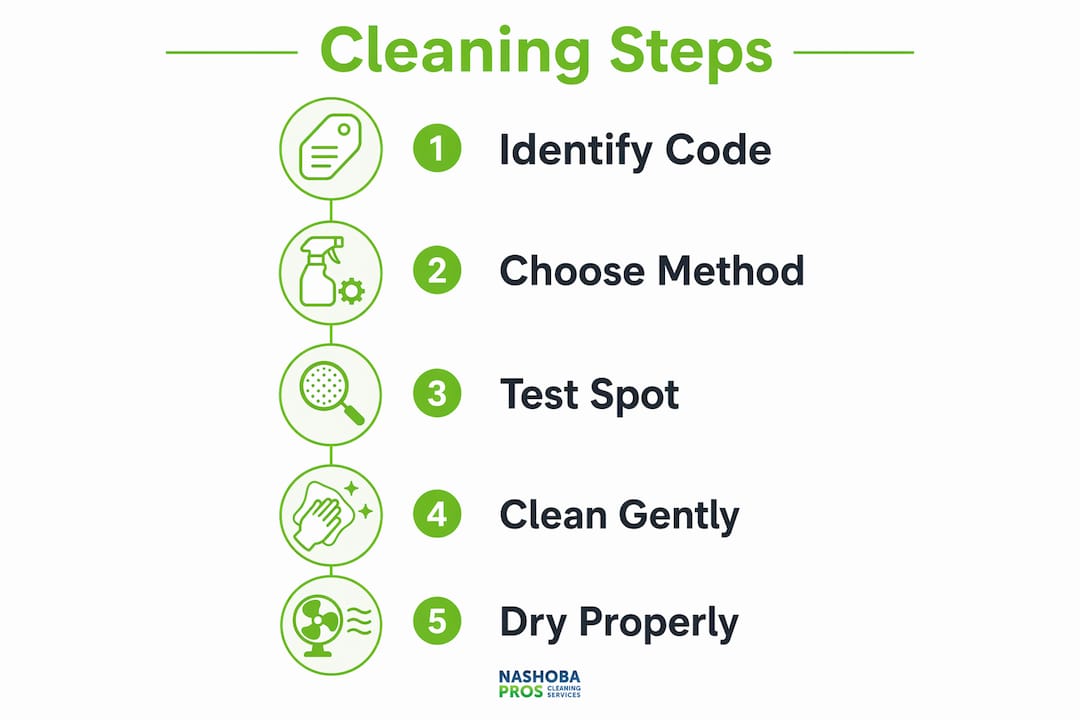
Fine upholstery cleaning is defined as a fabric-specific process guided by manufacturer cleaning codes that determine which cleaning chemistry is safe to use on your furniture. These codes, labeled W, S, WS, and X, appear on tags attached to cushions or frames and tell you exactly what methods will clean without causing shrinkage, color bleeding, water spots, or texture damage. Ignoring them is the single most common reason expensive sofas get ruined during what should be a routine cleaning. This guide explains what is fine upholstery cleaning explained in practical terms, covers every upholstery cleaning method worth knowing, and gives you the fine upholstery care tips that protect your investment long term.
What do upholstery cleaning codes mean and why they matter
Upholstery cleaning codes are not suggestions. They are method constraints that identify which cleaning chemistry is chemically compatible with your fabric. Using the wrong one does not just leave a stain. It can permanently alter the fiber structure.
Here is what each code means in practice:
| Code | Meaning | Safe methods |
|---|---|---|
| W | Water-based cleaning only | Mild detergents, foam cleaners, water extraction |
| S | Solvent-based cleaning only | Dry-cleaning solvents, no water |
| WS (or SW) | Water or solvent-based cleaners acceptable | Either method, with spot testing first |
| X | No liquid cleaners of any kind | Vacuuming and light brushing only |
The W code is the most permissive. It allows mild dish soap solutions, upholstery foam, and water extraction machines. The S code is the most misunderstood. Homeowners see a dirty fabric sofa and reach for a damp cloth, not realizing that water on an S-coded fabric causes browning, shrinkage, and permanent water rings. The WS code gives you flexibility, but spot testing first is still required to confirm the cleaner will not discolor or alter texture on your specific fabric. The X code is the strictest. Silk, some wools, and certain antique fabrics fall here. Liquid of any kind can distort the weave or cause irreversible staining.
A critical point many homeowners miss: cleaning codes are not washability guarantees. A W code does not mean you can toss the cushion cover in the washing machine. It means water-based chemistry is compatible. You still need to control how much moisture you apply and how thoroughly you extract it. For a deeper look at reading and locating these labels on your furniture, the homeowner’s guide to cleaning codes from Nashobapros covers every scenario including missing or faded tags.
Pro Tip: Check the tag on the underside of each cushion, not just the main frame tag. Cushion covers and the sofa body sometimes carry different codes, especially on higher-end furniture.
How upholstery cleaning methods match different fabric types
Understanding the method behind the code is where most homeowners get tripped up. The term “steam cleaning” alone causes more confusion than almost any other phrase in upholstery care.
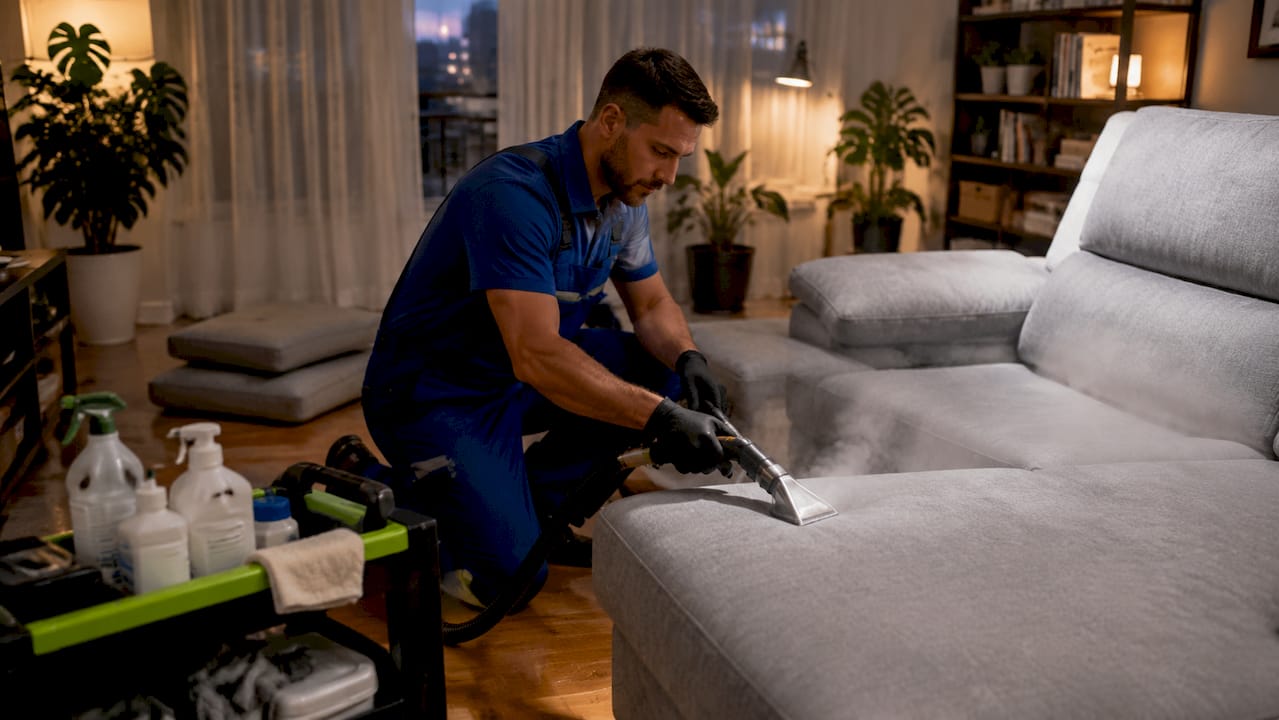
- Dry vapor steam cleaning uses approximately 5 to 6 percent moisture content. It sanitizes surfaces, kills dust mites, and lifts light soil with minimal saturation. This method is appropriate for W and WS coded fabrics and dries quickly because so little water is introduced.
- Hot water extraction is what most rental machines and many cleaning services actually deliver. It injects water and detergent into the fabric under pressure, then extracts it. Confusing these two methods leads to cleaning failures because the wrong moisture profile can damage fibers even when the detergent choice is correct.
- Dry solvent cleaning uses chemical solvents that dissolve oils and soils without introducing water. This is the correct method for S-coded fabrics. It requires good ventilation because the solvents are volatile, and you should never use it near open flames.
- Vacuuming and brushing are the only safe options for X-coded fabrics. A soft upholstery brush attachment on a vacuum removes surface dust, pet hair, and dry grit without any risk of moisture damage.
Over-wetting is the most common mistake across all fabric types. Foam cores in upholstery absorb water easily, and once the interior cushion is saturated, you are looking at a 4 to 8 hour drying window minimum. Skip that drying time and you get mildew growing inside the cushion where you cannot see it. This is especially true in humid climates or homes without good airflow.
Pro Tip: After any water-based cleaning, prop cushions on their sides and point a box fan directly at the furniture. This cuts drying time significantly and prevents moisture from pooling at the bottom of the foam core.
For a side-by-side comparison of how these methods differ in terms of moisture, drying time, and residue risk, the steam vs. other methods breakdown from Nashobapros is worth reading before you rent any machine.
Practical fine upholstery care tips for everyday maintenance
Routine care is what separates furniture that looks good at ten years from furniture that looks worn at three. The best practices for upholstery cleaning are not complicated, but they do require consistency.
-
Vacuum weekly with an upholstery attachment. Dry grit and dust abrade fibers at the microscopic level every time someone sits down. Monthly vacuuming at minimum keeps the fabric from looking tired even without visible stains. Use the crevice tool along seams and under cushions where debris collects.
-
Blot spills immediately, never scrub. Scrubbing pushes liquid deeper into the weave and spreads the stain. Use a clean white cloth and press firmly, working from the outer edge of the spill inward. Always follow your fabric’s cleaning code when choosing what to blot with.
-
Spot test any new cleaner on a hidden area first. The back corner of a cushion or the underside of the sofa skirt works well. Wait five minutes after applying and check for color change, texture shift, or residue before proceeding to the visible surface.
-
Remove cushion covers for washing only when the manufacturer explicitly permits it. Many covers are cut and sewn to fit precisely. Machine washing can shrink the cover so it no longer fits the foam insert, leaving you with a lumpy, misshapen cushion.
-
Schedule drying time deliberately. Standard drying after cleaning runs 4 to 8 hours with proper ventilation. Do not clean furniture the night before a dinner party. Do not sit on damp upholstery. Mold growth inside cushions is a real consequence of rushing this step.
-
Call a professional for vintage, delicate, or heavily soiled pieces. Professional cleaning is the right call when the fabric is fragile, the code tag is missing, or the staining covers a large area. Professionals use controlled moisture application and extraction rates that protect foam cores and fabric simultaneously.
What goes wrong when you ignore cleaning codes
The risks of improper cleaning are not theoretical. They show up as permanent damage that no amount of re-cleaning will fix.
- Water on S-coded fabric causes water spots, browning, and shrinkage. The fabric fibers contract when wet and do not return to their original shape. Using the wrong cleaner is the primary source of upholstery discoloration and permanent texture change.
- Solvents on W-coded or prohibited fabrics can strip dyes, leave chemical residue, or cause surface pilling depending on the fiber content.
- Skipping the spot test removes your only early warning system. You will not know a cleaner is incompatible until it has already damaged a visible section of your sofa.
- Over-wetting any fabric extends drying time beyond safe limits and creates conditions for mold and mildew inside the cushion core. This is a health concern, not just an aesthetic one. Dust mites and mold spores from poorly dried upholstery contribute to indoor air quality problems that affect the whole household.
- Ignoring manufacturer warnings can void furniture warranties. Many high-end furniture brands include cleaning instructions in their warranty terms. A single improper cleaning event documented by a service technician can be grounds for denying a claim.
The pattern here is consistent. Every major upholstery cleaning failure traces back to one of two errors: using the wrong chemistry for the fabric code, or applying too much moisture and not allowing adequate drying time.
Key takeaways
Fine upholstery cleaning requires matching your cleaning method to the manufacturer’s fabric code, controlling moisture carefully, and allowing full drying time to prevent mold and permanent fabric damage.
| Point | Details |
|---|---|
| Codes dictate chemistry | W, S, WS, and X codes define which cleaners are safe; using the wrong one causes permanent damage. |
| Steam vs. extraction | Dry vapor steam and hot water extraction are different methods with different moisture risks for upholstery. |
| Spot test every time | Always test any cleaner on a hidden area before applying it to a visible surface. |
| Drying time is non-negotiable | Allow 4 to 8 hours of drying with ventilation after any water-based cleaning to prevent mold. |
| Professionals for complex cases | Vintage, delicate, or heavily soiled upholstery requires professional tools and controlled technique. |
Why most homeowners underestimate their sofa’s cleaning label
I have been in this business long enough to see the same mistake repeat itself across thousands of homes. Someone has a beautiful linen sofa, it gets a coffee spill, and they grab a wet cloth because that is what you do with spills. Three minutes later, there is a water ring the size of a dinner plate on an S-coded fabric that will never fully come out. The label was right there on the cushion tag. Nobody checked it.
What I find most interesting is that the homeowners who do the most damage are often the most careful people. They clean immediately, they use “natural” products, they work hard at it. But they skip the one step that matters most: reading the code before touching the fabric. The code is not bureaucratic fine print. It is the manufacturer telling you exactly what the fabric can handle based on how it was constructed and finished.
The other misconception I see constantly is around steam cleaning. People rent a machine, call it a steam cleaner, and assume it is safe for any fabric. True dry vapor steam and hot water extraction are genuinely different processes with different moisture profiles. Knowing which one you are actually using changes the outcome entirely. If you are unsure about your fabric type or the right approach for your specific furniture, the upholstery fabric types guide from Nashobapros is a practical starting point before you attempt anything at home.
The bottom line from 30 years of cleaning homes: patience and the right chemistry beat effort and the wrong product every single time.
— Jim
Protect your furniture with professional fine upholstery cleaning
If your upholstery has seen better days, or if you are not confident about the fabric code on a piece you care about, Nashobapros handles it the right way. We have been cleaning fine upholstery in Westford, MA and the surrounding communities for over 30 years, and every job starts with identifying the correct cleaning code and fabric type before we touch anything. We use pet-safe and family-safe products, control moisture carefully, and give every piece the drying time it needs. Whether you have a delicate vintage chair or a heavily used family sofa, our team brings the right tools and technique to the job. Book your fine upholstery cleaning service today and get a free quote with no surprises.
FAQ
What is fine upholstery cleaning?
Fine upholstery cleaning is a fabric-specific cleaning process that uses manufacturer codes (W, S, WS, X) to determine the correct cleaning chemistry and method for each piece of furniture. The goal is to remove soil and stains without causing shrinkage, color bleeding, or texture damage.
How do I find the cleaning code on my furniture?
Check the tag attached to the underside of removable cushions or along the inner frame of the sofa. The code is typically a single letter or two-letter combination printed on a white or yellow tag.
Can I steam clean any upholstered sofa?
No. Steam cleaning is only safe on W and WS coded fabrics. S-coded fabrics require solvent-based cleaning only, and X-coded fabrics cannot tolerate any liquid. Using steam on the wrong fabric causes water spots, shrinkage, and permanent damage.
How long does upholstery take to dry after cleaning?
Standard drying time runs 4 to 8 hours after water-based cleaning, depending on fabric thickness, cushion density, and room ventilation. Propping cushions upright and using a fan speeds the process significantly.
When should I hire a professional instead of cleaning myself?
Professional cleaning is recommended for vintage or delicate fabrics, furniture with missing or unreadable code tags, large stains, or any piece where a mistake would be costly. Professionals use controlled moisture application and extraction that most homeowners cannot replicate with rental equipment.