

Upholstery Fabric Cleaning Codes: A Homeowner’s Guide
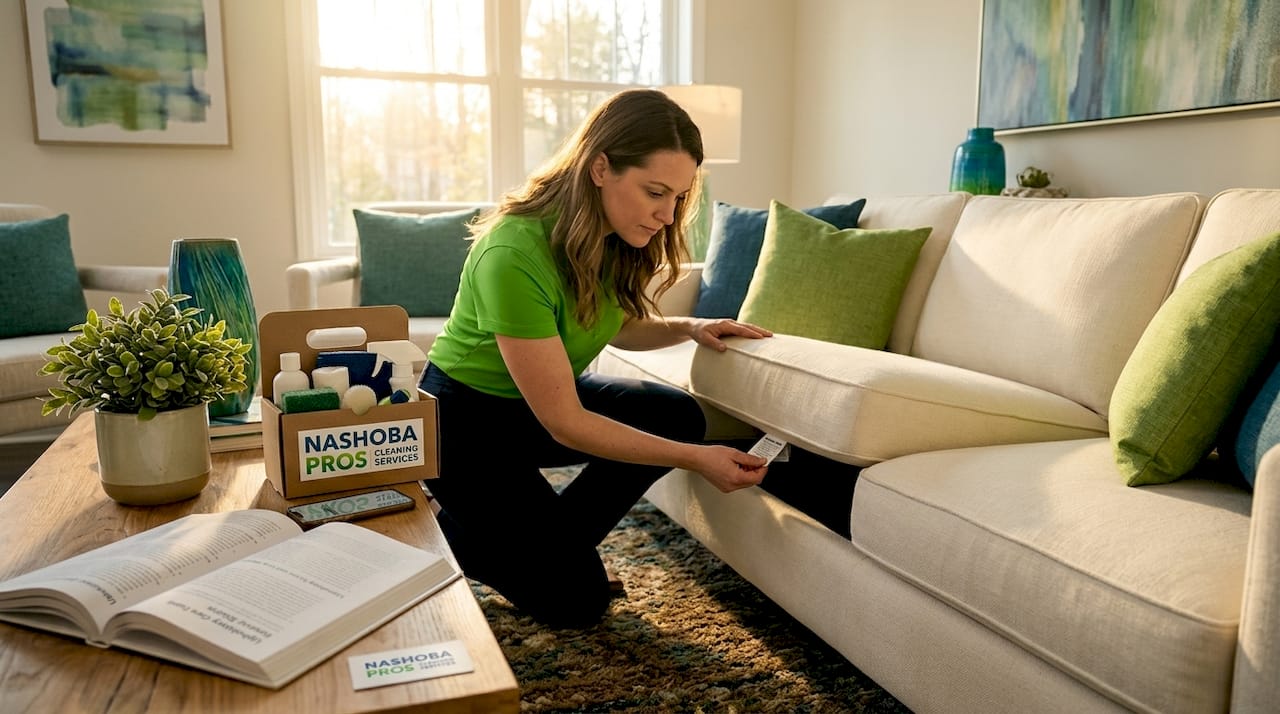
An upholstery fabric cleaning code is a letter printed on a care tag that tells you exactly which cleaning method is safe for your furniture fabric. These codes, standardized across the furniture industry, are the difference between a sofa that looks great for 15 years and one that shrinks, stains, or loses its texture after one bad cleaning attempt. The four codes you will encounter are W, S, W/S, and X. Sources like Sailrite and Surroundings Interiors confirm that ignoring these codes causes permanent fabric damage. Before you grab a spray bottle or rent a steam cleaner, read the tag. This guide explains every code, where to find it, and how to clean safely based on what it says.
What is upholstery fabric cleaning code W, S, W/S, or X?
The four upholstery cleaning codes each represent a distinct cleaning chemistry that the fabric manufacturer has tested and approved. Using the wrong one does not just leave a stain. It can permanently alter the fabric’s color, texture, and structure.
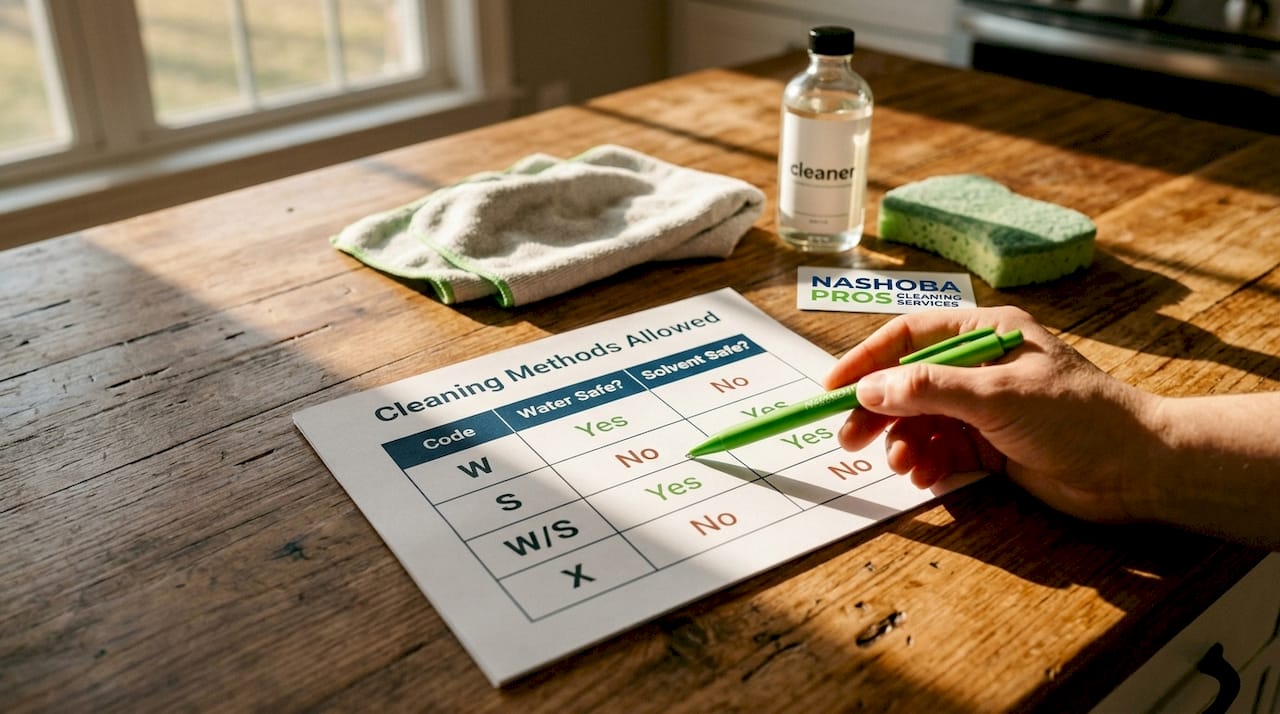
| Code | Cleaning Method Allowed | Water Safe? | Solvent Safe? |
|---|---|---|---|
| W | Water-based cleaners only | Yes | No |
| S | Solvent-based cleaners only | No | Yes |
| W/S | Either water or solvent-based | Yes | Yes |
| X | Vacuum or brush only | No | No |
Code W: water-based cleaning is safe
Code W fabrics accept water-based cleaning products, including mild dish soap solutions, upholstery shampoo, and foam cleaners. This is the most forgiving code for DIY cleaning. Common W fabrics include cotton blends, synthetic microfiber, and many polyester weaves. The key restriction is over-wetting. Saturating the fabric can push moisture into the cushion fill, leading to mildew growth and ring marks on the surface.
Code S: solvents only, no water
Code S is where most homeowners make costly mistakes. Water on S-coded fabric causes spotting, shrinkage, and color changes that cannot be reversed. Solvent-based cleaners, such as dry-cleaning fluid or water-free upholstery spot removers, are the only safe option. Rayon, acetate, and some wool blends frequently carry this code. Always use S-code solvents in a well-ventilated room and keep open flames away from the area.
Code W/S: flexibility with caution
The W/S code means both water-based and solvent-based cleaners are technically compatible with the fabric. That flexibility sounds reassuring, but pre-testing is still critical because excessive liquid of either type can cause dye migration or ring marks. Professionals at Sailrite and Surroundings Interiors both recommend minimal wetting even when the code permits it. For overall deep cleaning of W/S fabrics, hiring a professional is the safer call.
Code X: hands off the liquids
Code X fabrics tolerate no liquid cleaning at all. Vacuuming and light brushing are the only approved home care methods. Velvet, certain silk blends, and some delicate woven textiles often carry this code. Any liquid, water or solvent, risks serious and irreversible damage. Professional dry cleaning is the only option when vacuuming is no longer enough.
How to find the cleaning code on your furniture
Locating the care tag is the first practical step before any cleaning attempt. Furniture manufacturers place these tags in predictable spots, but they are not always obvious.
Common locations to check:
- Under seat cushions: Flip removable cushions over and look along the seam edge or zipper area.
- On the furniture frame: Check the underside of the sofa or chair frame, often near a back leg.
- On a sewn-in label: Some pieces have a fabric label stitched directly into a side seam or the back panel.
- In the original documentation: Manufacturers like La-Z-Boy and Ethan Allen often include care codes in the product manual or on the receipt tag.
Care tags on upholstery typically appear under cushions or on furniture frames, and reupholstered pieces may require checking with the fabric manufacturer directly. If a tag has been removed or is illegible, contact the furniture retailer with the model number or reach out to the fabric supplier for the original cleaning instructions.
Pro Tip: Photograph the care tag with your phone the day you buy new furniture. Store it in a notes app labeled with the piece of furniture. You will thank yourself the first time a stain happens.
Once you find the tag, the cleaning code is usually a single letter or two letters inside a circle or printed in bold. Do not confuse it with fiber content labels, which list materials like “100% polyester” but say nothing about safe cleaning methods.
Practical cleaning steps for each upholstery code
Knowing the code is only half the job. Applying the right technique for each code is what actually protects your furniture.
Cleaning W-coded upholstery
- Vacuum the entire surface first to remove loose dirt and debris.
- Mix a small amount of mild dish soap or upholstery shampoo with cool water.
- Apply the solution to a clean white cloth, not directly to the fabric.
- Blot the stain gently from the outside edge inward. Never rub, as rubbing spreads the stain and damages fibers.
- Use a second dry cloth to blot up excess moisture.
- Allow the area to air dry completely before using the furniture again.
Pro Tip: Always test your cleaning solution on a hidden area first, such as the back panel or under a cushion flap, even when the code confirms water is safe. Dye lots and fabric finishes vary.
Cleaning S-coded upholstery
Solvent cleaners for S-coded fabrics are available at most hardware stores under names like Carbona, K2r, or Guardsman. Apply the solvent to a clean cloth and blot the stained area. Work in a well-ventilated space, open windows and run a fan, and never use near a gas stove or candle. Let the area dry fully before evaluating results. For larger soiled areas, professional cleaning is strongly recommended because even careful DIY solvent use can leave uneven results across the full piece.
Cleaning W/S-coded upholstery
Start with a water-based approach if the stain is fresh. If that does not fully resolve the stain, switch to a solvent-based product. The key rule from Sailrite and Surroundings Interiors is to limit liquid contact regardless of which cleaner you use. Excess moisture on W/S fabrics causes ring marks and dye migration even when the code technically allows it. Pre-test both cleaner types on a hidden spot before treating the visible area.
Maintaining X-coded upholstery
Regular vacuuming with an upholstery attachment is the only safe home maintenance for X-coded fabrics. Use a soft brush attachment and work in the direction of the fabric’s nap or weave. For spills, blot immediately with a dry cloth to absorb as much liquid as possible before it penetrates the fibers. Do not apply any cleaning product. Schedule professional cleaning for X-coded pieces at least once a year, or immediately after a significant spill.
Vacuuming before any cleaning attempt removes loose dirt that would otherwise be ground deeper into the fabric during the cleaning process. This step applies to all codes, not just X.
How cleaning codes protect fabric longevity and appearance
Following upholstery fabric care symbols is not just about avoiding immediate damage. It directly determines how long your furniture holds its color, shape, and texture over years of use.
| Code | Fabric Examples | Risk of Misuse | Recommended Cleaning Frequency |
|---|---|---|---|
| W | Microfiber, cotton, polyester | Mildew, ring marks from over-wetting | Every 6 to 12 months |
| S | Rayon, acetate, some wool | Shrinkage, spotting, color loss from water | Every 12 months, professional preferred |
| W/S | Blended synthetics, nylon | Dye migration, ring marks from excess liquid | Every 6 to 12 months |
| X | Velvet, silk blends, delicate weaves | Severe damage from any liquid | Vacuum monthly, professional annually |
Using the wrong cleaning method permanently damages upholstery, making these codes one of the most critical labels on any furniture product. Sienna Pacific notes that the damage is often irreversible, meaning no amount of professional intervention can restore the original appearance. For S and X fabrics especially, a single incorrect cleaning attempt can ruin a piece worth hundreds or thousands of dollars.
Homeowners with W or W/S fabrics have more flexibility, but durable upholstery still requires consistent care to maintain its structural integrity over time. Frequency matters as much as method. Waiting until a fabric looks visibly dirty usually means the soil has already bonded to the fibers, making cleaning harder and results less consistent.
For W/S and X fabrics, professional cleaning is the right call for anything beyond routine vacuuming. Professionals use equipment and chemistry calibrated to the specific fabric type, reducing the risk of the ring marks and dye migration that DIY attempts frequently cause.
Key takeaways
Upholstery fabric cleaning codes define the only safe cleaning methods for your furniture, and using the wrong one causes permanent damage that no professional can reverse.
| Point | Details |
|---|---|
| Four codes govern all upholstery | W, S, W/S, and X each specify a distinct cleaning chemistry approved by the manufacturer. |
| Code S and X carry the highest risk | Water on S-coded fabric causes shrinkage and spotting; any liquid on X-coded fabric causes irreversible damage. |
| Pre-testing protects every fabric type | Always test cleaning products on a hidden area first, even when the code confirms compatibility. |
| Blot, never rub | Rubbing spreads stains and damages fibers on all fabric types regardless of cleaning code. |
| Professional cleaning is the safest option for S, W/S, and X | DIY cleaning on these codes frequently causes ring marks, dye migration, or texture loss. |
What 30 years of cleaning furniture has taught me
Most homeowners I talk to have never looked at the care tag on their sofa. They grab whatever cleaner is under the sink and go at it. I understand the impulse. When there is a stain, you want it gone now. But the calls we get at Nashobapros are often from people who tried to fix a stain themselves and made it permanent.
The mistake I see most often is using water on S-coded fabric. It looks harmless. Water is gentle, right? Not on rayon or acetate. One pass with a damp cloth and you have a water ring that will not come out. The second most common mistake is rubbing instead of blotting. Rubbing feels productive, but it drives the stain deeper and distorts the fiber structure.
My honest recommendation is this: find the care tag before you ever need to clean the piece. Know your code. Keep a solvent-based spot cleaner and a water-based upholstery foam in the house so you have the right tool ready when something spills. And for anything beyond a small spot, call a professional. The cost of one professional cleaning is almost always less than the cost of replacing a piece you damaged with the wrong product.
Regular vacuuming is the single most underrated maintenance habit for upholstery. It removes the abrasive particles that wear down fibers from the inside out, and it keeps X-coded fabrics looking fresh without any risk. Do it monthly. It takes five minutes and it genuinely extends the life of your furniture.
— Jim
Protect your furniture with professional upholstery cleaning
When your upholstery carries an S, W/S, or X code, the risk of DIY cleaning causing permanent damage is real. Nashobapros has been handling professional upholstery cleaning in the Westford, MA area and surrounding communities for over 30 years. Every product we use is pet-safe and family-safe, and we know exactly how to treat delicate and complex fabrics without causing the ring marks, shrinkage, or dye migration that improper home cleaning produces.
Whether you have a velvet sofa with an X code or a blended fabric sectional rated W/S, our team brings the right equipment and chemistry to the job. We also offer fine upholstery cleaning for heirloom and high-value pieces that need extra care. Call Nashobapros or book online for a free quote. Most jobs in the Nashoba Valley area can be scheduled within days.
FAQ
What does the W code mean on upholstery?
Code W means water-based cleaning is safe for the fabric. You can use mild soap solutions, upholstery shampoo, or foam cleaners, but you should avoid over-wetting and always blot rather than rub.
Can I use water on a sofa with an S code?
No. Water on S-coded upholstery causes spotting, shrinkage, and color changes that are typically permanent. Only solvent-based, water-free cleaners are safe for S-coded fabrics.
What should I do if my furniture has no care tag?
Contact the furniture retailer with the model number or reach out to the fabric manufacturer directly. For reupholstered pieces, the upholsterer should have the fabric’s care specifications on file.
Is W/S the same as saying any cleaner is safe?
Not exactly. W/S means both water-based and solvent-based cleaners are compatible, but excess liquid still causes damage such as ring marks and dye migration. Pre-testing and minimal wetting are still required.
When should I hire a professional instead of cleaning upholstery myself?
Hire a professional for S-coded, W/S-coded, and X-coded fabrics whenever the soiling goes beyond a small fresh spot. Professional equipment and calibrated chemistry reduce the risk of the permanent damage that DIY attempts on these codes frequently cause.