

Is Upholstery Cleaning Worth the Cost in 2026?
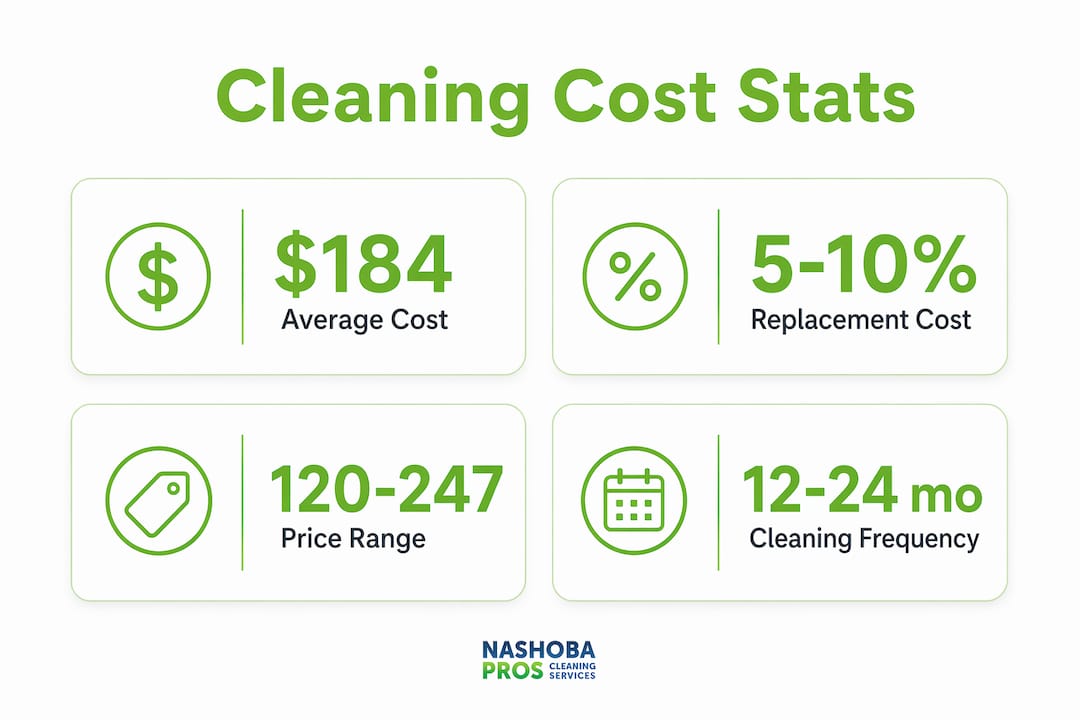
Professional upholstery cleaning is defined as a service that removes deep-embedded allergens, bacteria, and soiling from furniture fabric using commercial-grade equipment and trained technicians. When you evaluate upholstery cleaning worth cost, the math is straightforward: professional cleaning typically costs 5–10% of a piece’s replacement value, yet extends its lifespan by 3–5 years. That means a $1,500 sofa cleaned for $150–$184 stays out of the landfill and out of your budget for years longer. Add the health benefits of allergen removal and improved indoor air quality, and the cost-benefit of upholstery cleaning becomes hard to argue against for most homeowners.
What factors influence the cost of professional upholstery cleaning?
Pricing for professional upholstery cleaning is not one-size-fits-all. Several variables determine what you will pay, and knowing them helps you evaluate quotes accurately.
- Furniture type and size. A standard 3-cushion sofa runs $100–$200; a loveseat costs $75–$150; a sectional ranges $150–$400 depending on size and condition. More surface area means more labor and materials.
- Fabric type. Delicate fabrics like silk, velvet, or antique textiles require specialized protocols. Learning about upholstery fabric types before booking helps you understand why some pieces cost more to clean safely.
- Condition of the upholstery. Heavy soiling, pet odors, and set-in stains all add time and effort. A lightly used guest chair costs less than a well-loved family room sectional.
- Cleaning method required. Steam cleaning, dry cleaning, foam cleaning, and leather-specific treatments each carry different equipment and labor costs. Technicians match the method to the fabric to avoid damage.
- Add-on services. Stain removal runs $15–$40 per stain; protective spray coatings add $20–$35. These extras increase the bill but extend results.
- Geographic location. Rates in the Nashoba Valley area of Massachusetts differ from national averages. Local demand, overhead, and competition all affect pricing.
Pro Tip: Get itemized quotes from any provider you consider. A quote that lists each piece, method, and add-on separately is far easier to evaluate than a flat number with no breakdown.
The average homeowner spends about $184 per piece for professional cleaning. That figure sits well below the cost of replacing quality furniture, which makes the upholstery cleaning cost evaluation relatively simple for most households.
How does professional cleaning compare to DIY methods?
The honest answer is that professional and DIY upholstery cleaning are not equivalent services. They differ in equipment power, cleaning depth, and risk to your furniture.
| Factor | DIY rental equipment | Professional service |
|---|---|---|
| Contaminant removal | Surface-level, 10–15% of deep soiling | 85–95% of deep contaminants removed |
| Fabric risk | High. Improper technique causes shrinkage or color loss | Low. Technicians test fabrics before cleaning |
| Equipment quality | Consumer-grade suction and heat | Commercial systems with superior suction and heat |
| Time investment | 2–4 hours plus pickup and return of rental | Technician handles everything on-site |
| Cost | $30–$75 for rental plus supplies | $120–$247 per piece on average |
Rental machines remove surface dirt effectively. They do not reach the bacteria, mold spores, and allergens embedded deep in cushion fibers. DIY attempts frequently cause fabric damage that costs more to repair than a professional cleaning would have. Over-wetting a cushion, for example, can cause mold growth inside the foam core, which is invisible until the odor becomes severe.
Understanding how professional upholstery cleaning works makes the comparison clearer. Technicians pre-treat stains, test fabric reactions, apply the correct cleaning method, and extract moisture thoroughly. That process protects your furniture while delivering results a rental machine cannot match.
Pro Tip: If you want to clean between professional visits, stick to dry vacuuming and targeted spot treatment. Reserve wet cleaning methods for trained technicians who know your fabric’s limits.
What are the key benefits beyond aesthetics?
The visible result of cleaner fabric is the obvious win. The less obvious benefits are where the real value of professional upholstery cleaning lives.
- Allergen and pollutant removal. Professional cleaning removes pollutants that contribute to allergies and respiratory issues. For households with allergy sufferers or young children, this is not a luxury. It is a health maintenance step.
- Mold and bacteria prevention. Upholstery absorbs moisture from spills, humidity, and body contact. Without deep cleaning, mold and bacteria build up inside the fabric and foam. Professional extraction removes the moisture and contaminants that feed that growth.
- Extended furniture lifespan. Regular professional cleaning extends furniture life by 3–5 years. On a $2,000 sofa, that extension delays a replacement purchase worth far more than the cleaning fee.
- Financial return on furniture investment. Quality furniture is expensive. Cleaning at 5–10% of replacement value is one of the most cost-effective maintenance decisions a homeowner can make.
- Improved home comfort and air quality. Upholstered furniture is one of the largest fabric surfaces in most homes. Clean furniture contributes directly to cleaner indoor air, which affects how your home feels every day.
One point worth setting straight: professional cleaning does not reverse permanent fabric wear or UV fading. Cleaning maintains hygiene and delays deterioration, but it does not restore structurally damaged or sun-bleached fabric. Knowing this boundary helps you set realistic expectations before you book.
How to evaluate whether upholstery cleaning is worth it for your home
A practical cost-benefit framework for upholstery cleaning comes down to five questions. Work through them before you decide.
- What would it cost to replace this piece? If your sofa retails for $1,800, a $180 cleaning is a 10% maintenance investment. If the piece cost $300 at a discount store, the math shifts. Replacement may be closer in cost to cleaning.
- What is the household usage level? Homes with pets, young children, or allergy sufferers accumulate contaminants faster. Experts recommend cleaning every 12–24 months, and more frequently under heavy use. Higher usage increases the health justification for regular cleaning.
- Does the furniture have emotional or practical value? An heirloom armchair or a custom sectional that fits your room perfectly carries value beyond its price tag. Cleaning preserves that value.
- Is the furniture structurally sound? Professional cleaning does not fix broken frames, collapsed springs, or torn fabric. If a piece needs structural repair or you plan to replace it within a year, cleaning may not be the right investment right now.
- Can you bundle the service? Bundling upholstery cleaning with carpet cleaning reduces the effective cost per service because the technician is already on-site. If your carpets are due for cleaning, scheduling both at once is the most budget-efficient approach.
Pro Tip: Photograph your furniture before and after each professional cleaning. Over time, the photos show you exactly how much the service delivers, which makes future cost-benefit decisions much easier.
What are the best practices for getting maximum value?
Getting the most from professional upholstery cleaning requires preparation before the appointment and maintenance after it.
Before the appointment:
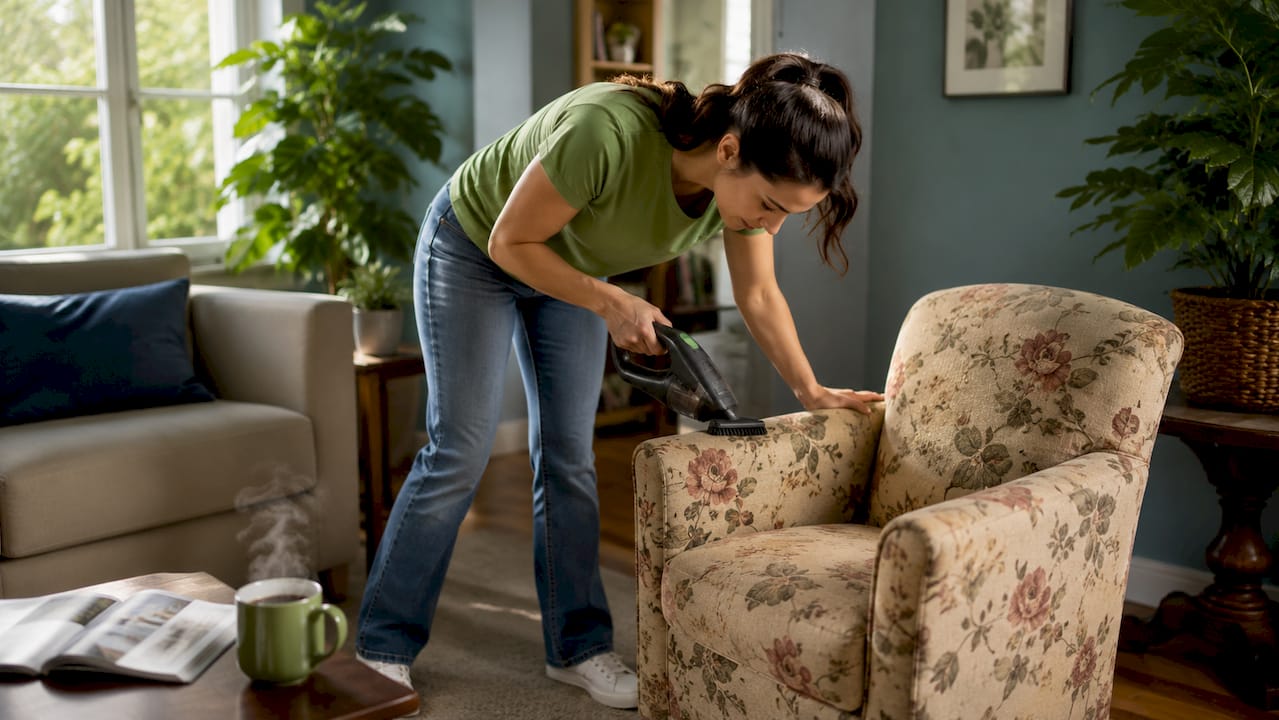
- Vacuum all surfaces. Removing loose debris before the technician arrives lets them focus on deep cleaning rather than surface dirt.
- Point out problem areas. Show the technician every stain, odor source, or area of concern. Pre-treatment works best when applied before the main cleaning pass.
- Ask about fabric testing. Fabric testing before cleaning is standard practice for reputable providers. It prevents shrinkage and color loss, especially on delicate or antique pieces. If a provider skips this step, ask why.
- Verify credentials and insurance. A reputable provider carries liability insurance and can explain their cleaning methods clearly. Transparent pricing and clear service inclusions separate quality providers from cut-rate operations.
After the appointment:
- Allow full drying time before using the furniture. Rushing this step can cause re-soiling or mold growth.
- Apply a fabric protector if the technician recommends one. Protective coatings repel future stains and extend the time between professional cleanings.
- Vacuum weekly to prevent surface buildup. Learn how to spot clean upholstery between services to handle minor spills before they set.
- Schedule your next cleaning before you need it. Annual or biannual scheduling keeps your furniture in the maintenance window where cleaning is most effective.
Combining upholstery and carpet cleaning frequency into one scheduled visit maximizes efficiency and keeps your whole home on a consistent maintenance cycle.
Key Takeaways
Professional upholstery cleaning delivers a positive return on investment for most homeowners when the furniture’s replacement cost, household usage, and health needs are weighed against the average service fee of $120–$247 per piece.
| Point | Details |
|---|---|
| Average cleaning cost | Most homeowners spend about $184 per piece, roughly 5–10% of quality furniture’s replacement value. |
| DIY vs. professional results | Professional equipment removes 85–95% of deep contaminants; DIY rental machines reach only 10–15%. |
| Health benefit | Professional cleaning removes allergens, bacteria, and mold that vacuuming and DIY methods cannot reach. |
| Lifespan extension | Regular professional cleaning extends furniture life by 3–5 years, delaying costly replacement purchases. |
| Best value strategy | Bundle upholstery and carpet cleaning in one visit to reduce the effective cost per service. |
What 30 years of cleaning homes taught me about this decision
Most homeowners I talk to underestimate what their furniture is actually holding. A sofa that looks presentable after a quick vacuum can still carry two years of skin cells, pet dander, dust mite waste, and spilled liquids that dried invisibly into the cushion fibers. The visible surface is not the whole story.
The misconception I hear most often is that professional cleaning is a cosmetic service. Homeowners think they are paying to make their sofa look better. They are actually paying to make their home healthier. For a family with a child who has asthma or a parent with seasonal allergies, that distinction matters more than the price tag.
The cases where I have seen cleaning deliver the clearest value are always the same: quality furniture, heavy household use, and a homeowner who treats cleaning as maintenance rather than a last resort. The homeowners who wait until the sofa looks visibly dirty are already past the point where cleaning is most effective. At that stage, some of the soiling is permanent.
My honest advice is this: if your furniture cost more than $800 and you have lived with it for more than 18 months, the cost-benefit of upholstery cleaning almost always favors cleaning. The fee is a fraction of replacement cost, the health benefit is real, and the result lasts longer when you maintain it with regular vacuuming and spot treatment between visits. Choosing a reputable, insured provider with transparent pricing is the only variable that can change that equation.
— Jim
Nashobapros upholstery cleaning services for Westford homeowners
Nashobapros has served homeowners in Westford, MA and the surrounding Nashoba Valley communities for over 30 years. Every product used is pet-safe and family-safe, and every job is backed by a 100% satisfaction guarantee.

Whether you have a single armchair that needs attention or a full living room of upholstered furniture, Nashobapros provides transparent quotes with no surprises. The team handles everything from standard fabric sofas to fine upholstery cleaning for delicate or heirloom pieces. For homeowners who want to build a complete maintenance plan, the upholstery cleaning best practices guide covers expert-recommended routines that protect your furniture between professional visits. Call or book online for a free quote. Most jobs in the Westford area can be scheduled quickly.
FAQ
How much does professional upholstery cleaning cost on average?
Most homeowners spend about $184 per piece, with a typical range of $120–$247 depending on furniture size, fabric type, and condition. A standard 3-cushion sofa runs $100–$200.
Is upholstery cleaning worth it for older furniture?
Professional cleaning is worth it when the furniture is structurally sound and its replacement cost significantly exceeds the cleaning fee. Cleaning does not reverse UV fading or structural wear, but it does extend usable life by 3–5 years.
How often should upholstery be professionally cleaned?
Experts recommend professional cleaning every 12–24 months for most households. Homes with pets, young children, or allergy sufferers benefit from cleaning closer to the 12-month mark.
Can professional cleaning remove pet odors from upholstery?
Professional cleaning removes the bacteria and organic matter that cause pet odors, which DIY methods typically cannot reach. Results depend on how deeply the odor has penetrated the fabric and foam.
What is the difference between steam cleaning and dry cleaning for upholstery?
Steam cleaning uses hot water extraction to remove deep contaminants and works well on most synthetic and natural fabrics. Dry cleaning uses low-moisture solvents and is preferred for delicate fabrics that cannot tolerate water saturation.